01 · aggregator development
Aggregator websites,built turnkey
We bring offers from dozens of suppliers into one catalog: import from feeds and APIs, duplicate matching, filters, a map and partner accounts
- Timeline
- from 6 weeks
Built for your niche, not a template
People compare apartments and heavy machinery in different ways. We design the catalog around how your customers choose
- 01
Real estate
Thousands of apartments from dozens of developers and agencies: buyers compare prices, floor plans and completion dates in one place
- Feeds from listing portals
- Filters by price, size, completion
- Map with neighborhood search
- Developer and agent accounts
- 02
Heavy machinery and equipment
Equipment rental and sales, where offers are scattered across hundreds of companies and private owners
- Catalog by type and specs
- Supplier profiles with their fleet
- One request to several suppliers
- Company ratings
- 03
Events and listings
Trade shows, forums and conferences from many organizers: visitors search by topic, city and dates
- Calendar and industry filters
- Venues, organizers, speakers
- Event submissions with moderation
- Add to calendar
- 04
Services and contractors
A directory of providers with starting prices, portfolios and reviews: clients choose instead of calling everyone
- Profiles with real projects
- Filters by region and budget
- Reviews and company checks
- Leads sent to provider accounts
- 05
Products and prices
Comparing offers from stores and suppliers: what matters is fresh prices and stock without manual edits
- Price lists from YML, CSV and APIs
- Matching identical products
- Price history
- Click-through tracking to sellers
- 06
Industry directories
Clinics, schools, auto shops, resorts: a city-by-city directory of businesses that earns from listings
- City and category pages
- Listing with map and contacts
- Moderated reviews
- Paid plans and boosts
Data flow with no manual work
Six steps from a partner feed to platform revenue. The catalog runs itself, your team only moderates
- 01Feeds and APIs
Partners send data
Developers, stores and companies connect a feed, an API or a spreadsheet. Those without an export add listings in their own account
- 02Scheduled import
The catalog updates itself
New offers appear, sold ones disappear. Source errors show up in the log, not in user complaints
- 03Matching
Duplicates merge
One property from five sources becomes a single listing with a price comparison, not five identical rows
- 04Filters and map
Users find it
Dozens of parameters, a map and thousands of landing pages for search. The right option is a couple of clicks away, even in a huge catalog
- 05Leads to accounts
The lead goes to the partner
Inquiries land in the supplier account, the CRM or Telegram. Partners see how many clients came from the platform
- 06Monetization
The platform earns
Plans, listing boosts, pay-per-lead. Analytics with goals shows what brings in money and what does not
In every aggregator
- 01Catalog with faceted filters
- 02Map with clusters and neighborhood search
- 03Import from feeds, APIs and spreadsheets
- 04Duplicate matching across sources
- 05Listing page with similar offers
- 06Supplier accounts with stats
- 07Moderation of listings and reviews
- 08Favorites, comparison and collections
- 09SEO structure for thousands of pages
- 10Analytics with goals and lead reports
Aggregators already live
Real estate, heavy machinery, business events and contractor platforms. Dozens of suppliers each, one catalog
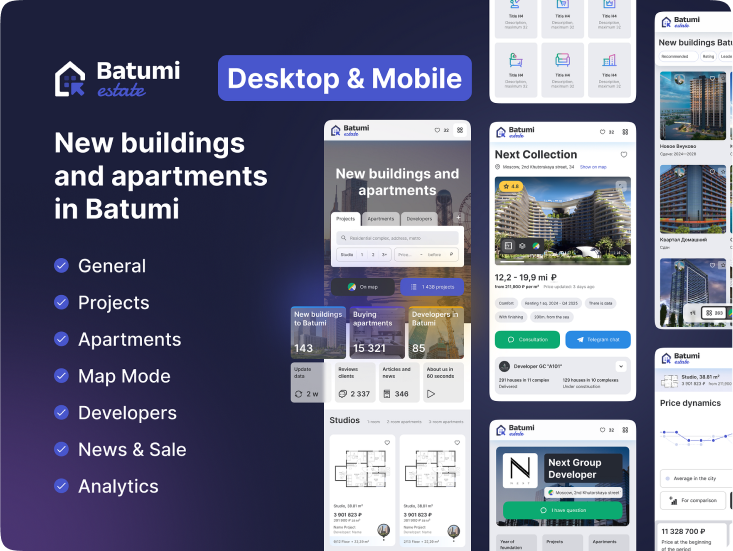 Batumi Estate01One of the leading new-build aggregators in Georgia2Rank in Georgia124Partner developersView case study
 ASTT.SU02Heavy equipment aggregator36,879Suppliers417CompaniesView case study
 Realty Events03Real estate events aggregator113Events listed18CitiesView case study
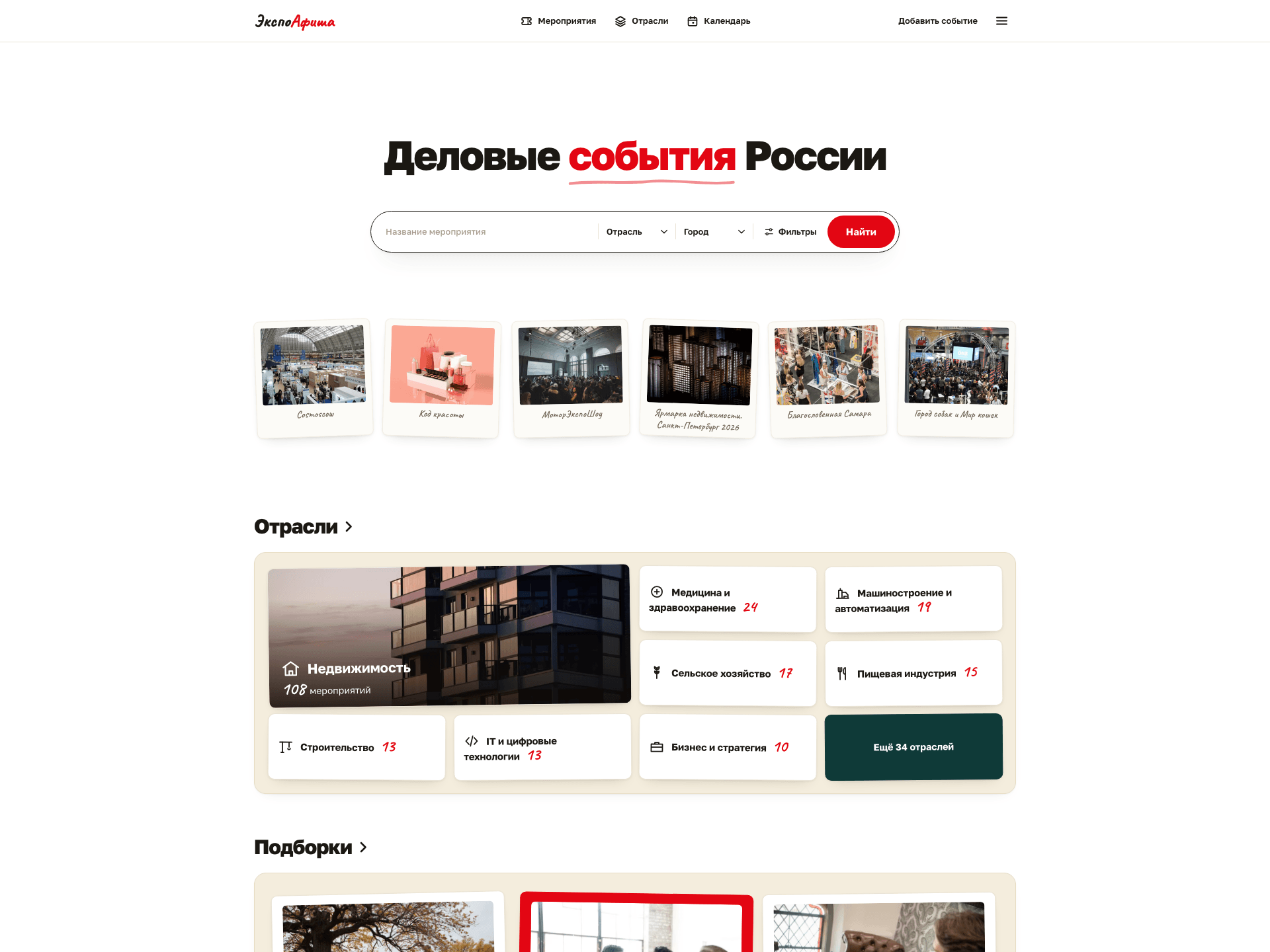 Expo Afisha04Catalog of business events in Russia495Events in the catalog56CitiesView case study
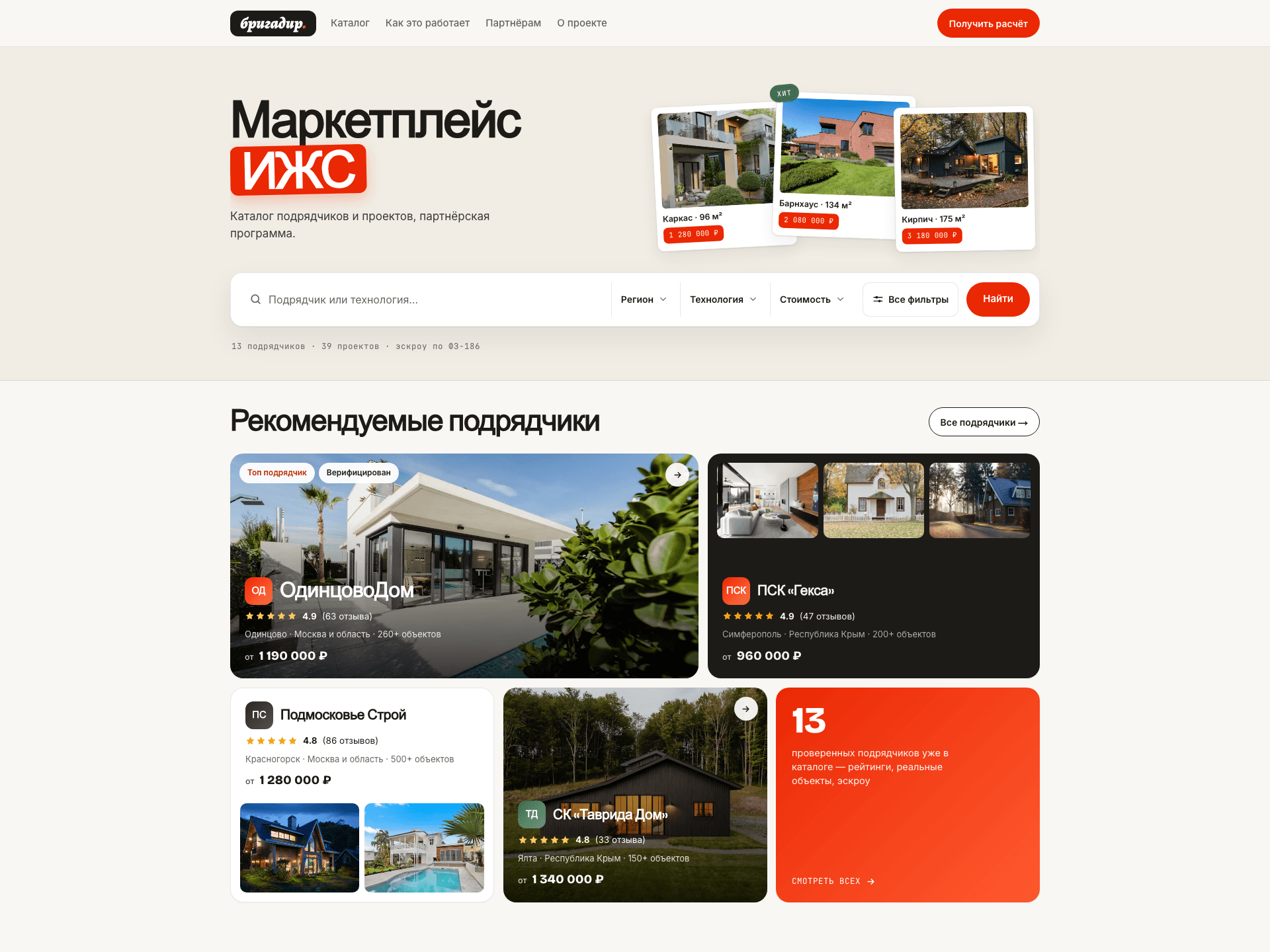 Brigadir05Marketplace for private home building13Vetted contractors39House designsView case study
 Bolshe Zeleni06Marketplace for greenery and landscaping6Greenery services6CitiesView case study
Data that updates itself
An aggregator lives on fresh prices and stock. Sold items disappear, new ones appear with no manual edits
Sources we connect: YML, XML feeds, Listing portals, Classifieds, REST API, GraphQL, CSV, Google Sheets, ERP systems, Bitrix24, amoCRM
Before kickoff we check every source: format, update frequency and data quality. We only promise what we have confirmed on a real export
Revenue from day one
How the aggregator makes money is built into the architecture from the start, so you don't rebuild the catalog six months later
Paid listings
Plans for suppliers: how many listings, which tools and which stats each one includes
Boosted placement
Highlighted and pinned listings, promotion packages paid right from the account
Pay-per-lead
Partners pay per inquiry or click: the platform counts every contact and issues the invoice
Ads and sponsored content
Banner slots, curated collections and branded sections for major partners
Referral program
Agents and brokers bring in clients and earn a commission on every deal
Analytics subscription
Market price and demand trends as a separate paid product for industry players
Aggregator websites: packages
The cost depends on scope. We send a detailed estimate the day after the brief and don't change it after kickoff unless the scope changes
Aggregator catalog
Custom quote
6–8 weeks
- Catalog with filters, map and listings
- Import from 1–3 sources
- Admin panel and moderation
- SEO structure and analytics with goals
Aggregator with accounts and monetization
Custom quote
from 10 weeks
- Supplier accounts with stats
- Plans, promotion, online payments
- Many sources and duplicate matching
- Reviews, ratings, notifications
Multi-city or multi-country platform
Custom quote
from 4 months
- Multiple languages and currencies
- Mobile app
- Market analytics and price trends
- CRM and payment gateways
What drives the cost
- Sources without a ready API: scraping partner sites or manual exports
- Complex duplicate matching across sources in different formats
- Online payments and settlements between the parties to a deal
- A mobile app alongside the website
- Moving the database and pages from an old platform without losing rankings
How a project runs
- 01
Brief and estimate
1–2 daysA 30-minute call. We review the data sources and the revenue model, and send an estimate with milestones the next day
- 02
Prototype and design
1–2 weeksA clickable prototype of the catalog, listing page and account, then the design. Changes happen before development, not after
- 03
Development in stages
per estimateWe connect the sources first so the catalog fills up from day one. Every stage goes to a staging site with a sign-off
- 04
Launch and support
30 daysWe watch the imports and indexing and train your moderation team. A month of support is included
Common questions
Open 01 of 07
Didn’t find your question? Ask it on Telegram and we’ll reply during business hours
Ask on TelegramIt depends on scope; the estimate is fixed
An aggregator catalog with filters, a map, data import and an admin panel takes 6–8 weeks. With supplier accounts, plans and payments, from 10 weeks. We send a fixed estimate the day after the brief: the cost depends on the number of sources, the depth of the filters and whether you need monetization at launch
Partner feeds, your databases and accounts
We connect the first sources before launch so the catalog is never empty: partner feeds and APIs, your spreadsheets and databases. Other suppliers add their listings themselves through their accounts
An account with bulk upload from a spreadsheet
We give the partner an account with a simple form and spreadsheet upload. If the data is public on their site and they agree, we set up regular collection. We check what is possible for each source before kickoff
Yes, the catalog is built for large volumes
We build the catalog on PostgreSQL with search indexes and caching, so filters stay fast even at scale. Batumi Estate runs with 124 developers and thousands of apartments
The deal: an aggregator sends clients to the supplier
An aggregator collects and matches offers, and the client closes the deal with the supplier. A marketplace adds orders, payments and platform liability. Projects often start as aggregators and add payments later, so we design the architecture with that in mind
Thousands of landing pages from the catalog
Category, city, neighborhood and filter pages are generated from catalog data. Empty and duplicate combinations are kept out of the index, and listings get structured data markup. After launch we can take over SEO
The code is yours, hosting is your choice
We hand over the source code and all access. We host the project with a provider of your choice or on your own server. After launch we can take on support: monitoring imports, updating and improving the platform
Let's discuss your aggregator
Tell us about your niche and where the data comes from. We reply within two business hours and send an estimate the next day